World Malaria Day: Things You Need To Know About Malaria Before You Travel
Featured on Cape Talk with Pippa Hudson – Click HERE
Featured on CCFM 107.5 – Click HERE
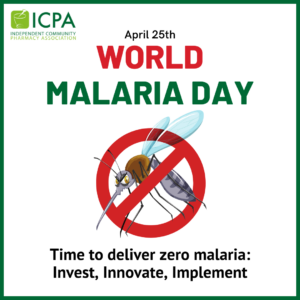
The 25th of April is World Malaria Day.
According to the World Health Organisation, annual global malaria cases have risen to over 249 million, with Sub-Saharan Africa being home to 94% of these. It is estimated that over 600,000 people die every year from malaria, and among all communicable diseases, malaria is the third largest killer of children up to the age of five.
What is malaria and how do you get it?
“According to the National Institute for Communicable Diseases (NICD), malaria is a potentially life-threatening disease caused by parasites transmitted via the bites of certain Anopheles mosquito species. The parasites first multiply in the liver and then infect red blood cells in the body. The incubation period may be seven days after exposure but is, on average, 10 to 21 days.”
What are the symptoms and how is it diagnosed?
“The symptoms of malaria are often the same as flu, which includes fever, chills, sweating, tiredness, body aches, and headaches,” says Maimin. “Malaria is diagnosed through blood tests to determine if parasites are present in the blood, so if you develop flu-like symptoms after travelling in a malaria area, have yourself tested’.
Is malaria preventable and how?
Malaria is absolutely preventable!
“It is essential for people travelling to malaria areas to take precautions to prevent the contracting of malaria. Many health authorities, including the Centres for Disease Control and Prevention (CDC) and the World Health Organization (WHO), recommend that travellers to malaria-endemic areas, among other precautions, also take antimalarial medicines.”
“Antimalarial medicines can prevent travellers from contracting malaria if they are bitten by infected mosquitoes. These medications work by killing the malaria parasites in the bloodstream before they cause illness,” explains Maimin. “If a person DOES get malaria whilst on antimalarial medications, it can reduce the risk of developing severe complications, including organ failure and death. In addition to this, infected travellers who do not take malaria medicines risk becoming carriers of the disease and transmitting it to others through mosquito bites.”
According to Maimin, there are several effective antimalarial medicines available, including atovaquone/proguanil, doxycycline, and mefloquine. These medications are generally well-tolerated and have been shown to be highly effective in preventing malaria when taken as directed.
“It’s important to plan ahead,” cautions Maimin, “as the timing for starting malaria prophylaxis depends on the specific medication prescribed and they all need to be started before entering the malaria area. If taking the combination atovaquone/proguanil antimalarial, it is typically recommended to start the medication 1-2 days before entering a malaria area, daily whilst there, and for 7 days after leaving the area. Doxycycline is also usually started 1-2 days before entering a malaria area and it is essential to keep taking it daily while in the malaria area and for 4 weeks after leaving the area. Mefloquine is typically started 1-2 weeks before travel to a malaria area. It should be taken once weekly while in the malaria area and continued for 4 weeks after leaving.”
“Additionally, travellers should remember that malaria prophylaxis is just one component of malaria prevention. They should also take other preventive measures, such as using insect repellents, wearing protective clothing, sleeping under mosquito nets, and avoiding outdoor activities during peak mosquito biting times.”
Where can you get antimalaria medication and advice?
“Your pharmacist at your local community pharmacy can prescribe and dispense antimalarial medicines for you and your family.”
“Pop in and speak to your pharmacist a few weeks before your intended date of travel so that the best, personalised option can be identified based on your medical history, age, circumstances, and other individual factors. Your pharmacist can give you advice and guidance on the malaria medication, when and how to take it, as well as any possible side effects to be aware of. Also, if you were recently in a malaria and are concerned, your pharmacist can guide you on symptoms to be aware of and what to do if you start to feel unwell. There are rapid diagnostic tests for malaria available which your pharmacist can advise on too” concludes Maimin.
For more information on malaria medication and getting help from your local community pharmacy contact the Independent Community Pharmacy Association on 021 671 4473 or visit www.icpa.co.za.