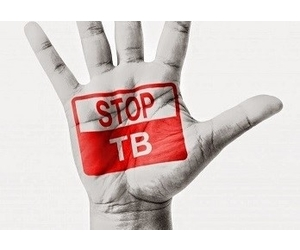
As Tuberculosis (TB ) Awareness Month gathers momentum in March, the Independent Community Pharmacy Association (ICPA) is urging South Africans to familiarise themselves with the symptoms of this global pandemic that is said to be the leading infectious cause of death worldwide – and also how to avoid spreading and contracting it.
Statistics from the Centres for Disease Control and Prevention show that globally, 9 million people are infected with TB every year and over 1,5 million die from the disease. Figures from the United Nations and World Health Organization show that more people are now dying from TB than from HIV/AIDS. For 2015, they estimated 1.1 million people died from HIV/AIDS. In the same year, TB deaths reached 1.4 million, jumping 300,000 from just a year before.
Despite these sobering statistics, the disease can be cured. Key to this is diagnosing it early enough and taking effective measures to treat it.
The ICPA provides the following TB Awareness tips on the symptoms that you should be on the look-out for:
- Coughing that persists for 2-3 weeks
- Coughing up blood
- Chest pains
- Unexplained weight loss
- Loss of appetite
- Fever and night sweats
The ICPA advise that if you have been exposed to TB (i.e. spent time with someone already infected) or notice the symptoms above, it is very important to be tested for TB as soon as possible. Patients diagnosed with TB are strongly advised to complete their course of treatment in order to be effectively cured and to avoid future infections.
If you or a family member has TB, the following steps should be taken to avoid spreading the disease to those around you.
- Avoid close contact with other people
- Sleep separately from the rest of the family
- Make sure the house is well ventilated at all times
- When sneezing or coughing, cover your mouth with a tissue or handkerchief. Discard used items and always wash your hands afterwards.
- Your chances of developing TB are higher if you have acquired the bacteria within the past 2 years, did not receive proper TB treatment in the past, abuse alcohol or drugs, or have a health issue that results in lowered immunity – such as diabetes, scoliosis, some forms of cancer, leukemia, Hodgkin’s disease, kidney disease and particularly HIV. HIV patients are 37 times more likely to develop TB and it is the leading cause of death amongst HIV patients.
Mark Payne, the CEO of the ICPA says that pharmacies can contribute substantially to the management of TB in South Africa and can play an important role in TB awareness
TB education is key
According to the ICPA, through educating customers on TB and its treatment, pharmacists and pharmacies have a vital role to play in the management and prevention of TB.
“For example, pharmacists can provide information on lung hygiene and cough etiquette – such as how to cover your nose and mouth when coughing or sneezing and how to properly discard tissues and wash hands to prevent spreading the infection.”
Avoiding drug resistant TB
TB treatment takes months to complete and has to be taken regularly. Because of this most patients require encouragement in order to stick to their treatment. In South Africa, about 15% of patients are said to default on the first-line, six month treatment while almost a third of the patients default on second-line treatment.
According to the ICPA, pharmacists are well-placed to assess adherence to treatment and identify any factors which may predispose the patient to non-adherence. “Community pharmacies are in a position to counsel the patients on the importance of adhering to their TB drug regimen. It is essential for people being treated for TB to remember to take their medications exactly as directed and complete the entire course of therapy. Erratic and incomplete treatment results in the development of drug-resistant TB and threatens TB control.”
Pharmacists can also assist with adherence to treatment by helping those patients who experience adverse effects from the anti-TB medicines by providing a counselling services. “Patients can be reassured that some of these adverse effects are temporary and this will help stop them from ending their medication abruptly.”
The ICPA concludes by saying that although pharmacists do not diagnose and treat TB themselves, the community pharmacy is often the first port of call for TB sufferers and will remain at the forefront of effective TB diagnosis and treatment for many patients.