Advocating for Public Health: Ban on E-Cigarette and Vape Sales in Pharmacies
Published in the Business Day – Click HERE to read the article
Published in the National Council Against Smoking – Click HERE to read the article
Published in the Juta Medical Brief – Click HERE to read the article
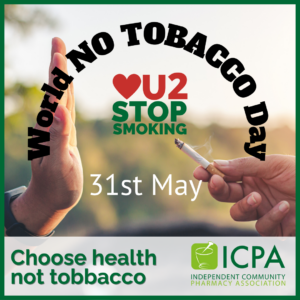
As the world gears up to observe World No Tobacco Day on May 31st, the global community stands united against one of the gravest public health threats: Tobacco Use.
According to the World Health Organization (WHO), over 8 million people lose their lives to tobacco use each year. Of these fatalities, an estimated 1.2 million are attributable to second-hand smoke exposure, typically experienced by those in frequent and close contact with chronic tobacco smokers. Tobacco use poses a significant public health challenge, and it not only impacts the health of users and those around them but also has a negative impact on the economic and social status of individuals and communities. The consequences of tobacco use are particularly severe in low- and middle-income countries (LMICs) which are home to more than 80% of the world’s tobacco users. The scale of this human and economic tragedy is shocking, but it’s also preventable.
This year’s theme, “Protecting children from tobacco industry interference,” underscores tactics employed by the tobacco industry to lure young people into nicotine addiction. From attractive marketing campaigns to enticing new products like Heated Tobacco Products (HTPS), e-cigarettes, and vapes, the industry’s relentless pursuit of profit jeopardises the health of future generations.
In response to this alarming trend, the South African Pharmacy Council (SAPC) has taken a bold stance by proposing amendments to rules relating to good pharmacy practice[1]. These amendments prohibit the sale of tobacco-related products, including electronic nicotine or non-nicotine delivery systems (ENDS/ENNDS), commonly known as vapes or electronic cigarettes, in pharmacies. As ENDS/ENNDS are technically not tobacco products, currently companies can market these directly to the public as a safe alternative to smoking which is particularly concerning as their safety and long-term effects are still under investigation.
[1] South African Pharmacy Council – https://www.sapc.za.org/Legislation_Proposed BN587_GPP_ Products not sold in Pharmacy (comment -60 days due 28 May 2024)
Jackie Maimin, CEO of the Independent Community Pharmacy Association (ICPA), a registered non-profit company that acts in the interests of over 1200 independent pharmacy owners, welcomes these changes, highlighting the pivotal role of pharmacies as trusted healthcare providers.
“When products are stocked in pharmacies, it’s assumed that they’ve been vetted or recommended by pharmacists and are healthy or beneficial. This assumption couldn’t be further from the truth when it comes to tobacco and nicotine-related products,” Maimin asserts.
Indeed, the allure of e-cigarettes and vapes, with their enticing flavours and modern designs, has made them particularly appealing to the youth. Yet, beneath the surface lies a dangerous reality: these products potentially contain harmful additives and addictive substances like nicotine, with unknown long-term health effects.
“These electronic products, such as e-cigarettes and vapes, function by heating a liquid to produce an aerosol that the user inhales.” Maimin adds, “these vaping liquids contain a range of potentially harmful additives, including flavourants, fragrances, colourants, glycerol, propylene glycol, and other chemicals, many of which are not listed on the label of ingredients and their long-term effects on the human respiratory system is unknown[1].”
These liquids are marketed as being a safe alternative to conventional tobacco products and there has been exponential growth in the e-cigarette market without a commensurate decrease in cigarette smoking. E-cigarettes are not yet regulated under the Tobacco Products Control Act 83 of 1993 and proposed amendments[2] to include these products are being aggressively opposed by the industry.
Without regulations governing these products, they are openly advertised and sold to the public. Research has shown that upon testing many of the so-called “nicotine-free” vaping liquids were found to contain addictive nicotine and many nicotine containing fluids had concentrations far higher than that listed on the label[3].
Moreover, studies have shown a troubling rise in vaping among South African teens and young adults, exacerbating concerns about nicotine addiction which has already been associated with chronic respiratory and cardiovascular diseases.
The proposed amendments to pharmacy regulations signal a proactive effort to protect public health, especially the vulnerable youth population, from the pervasive influence of the tobacco industry.
Looking ahead, the proposed Tobacco Products and Electronic Delivery Systems Control Bill aims to establish comprehensive regulations governing the sale, advertising, and packaging of tobacco products and electronic delivery systems. By safeguarding our youth from harmful substances and deceptive marketing tactics such as childlike themes, and packaging that imitates popular sweets and treats, we can pave the way for a healthier future for all South Africans.
“While some people view vaping as a safe alternative to smoking traditional cigarettes, there’s growing concern about its impact on health, especially among young people. Addressing vaping as a cultural phenomenon also requires understanding the social and cultural factors that contribute to its popularity among the youth” Maimin elaborates.
As we stand on the precipice of change, the ICPA reaffirms its commitment to promoting the health and well-being of communities across South Africa. By championing evidence-based policies and empowering individuals to make informed choices, we can collectively combat the scourge of tobacco addiction and build a brighter, smoke-free tomorrow.
Your pharmacist can assist by providing accurate information about the risks associated with tobacco use or vaping, including its potential to lead to nicotine addiction and its effects on lung health, which can help young people make informed decisions. In addition, pharmacies offer support and resources for smoking and vaping cessation for those who wish to rid themselves of this addiction.
[1] American Lung Association. Popcorn Lung: A Dangerous Risk of Flavored E-Cigarettes [Internet]. 2016. updated [accessed: 18 May 2023]. Available at: https://www.lung.org/blog/popcorn-lung-risk-ecigs
[2] https://www.parliament.gov.za/storage/app/media/Bills/2022/B33_2022_Tobacco_Products_and_Electronic_Delivery_Systems_Control_Bill/B33_2022_Tobacco_Products_and_Electronic_Delivery_Systems_Control_Bill.pdf
[3] Taylor A, Dunn K, Turfus S. A review of nicotine-containing electronic cigarettes-Trends in use, effects, contents, labelling accuracy and detection methods. Drug Test Anal. 2021;13(2):242-60. [accessed: 18 May 2023]. Available at: https://www.ncbi.nlm.nih.gov/pubmed/33450135